
Activities, Leadership & Experiences

Activities give you ways to explore interests, develop skills and contribute to people around you. Over time, they can also show colleges how you take responsibility and what you do beyond class.

Common App, an application used by many colleges, has space for up to 10 activities and up to 5 academic honors. These are maximums, not requirements to fill every space. Knowing what the application asks can help you keep useful records while you focus on experiences that matter to you. Common App’s materials guide explains these fields.

Hands place donated food into a collection box.

What are extracurriculars?

A student plays soccer outdoors.

Extracurricular activities happen outside your regular academic classes. They include organized groups and things you do independently. Work and family responsibilities also belong in the picture of how you spend your time.

Example extracurriculars:

  • School and community groups include cultural clubs, robotics, debate, student government and neighborhood organizations.
  • Sports, music and arts include teams, individual training, band, dance, theater, photography and creative work.
  • Paid work includes regular jobs, seasonal employment and work in a family business.
  • Family responsibilities can include caring for siblings or relatives and regularly helping with household tasks or communication.
  • Service, cultural and religious participation can include volunteering, helping organize a Hmong community event or contributing to a faith community.
  • Independent interests can include coding, writing, learning a language, repairing bicycles or exploring a subject through sustained reading.

Choose and join an activity

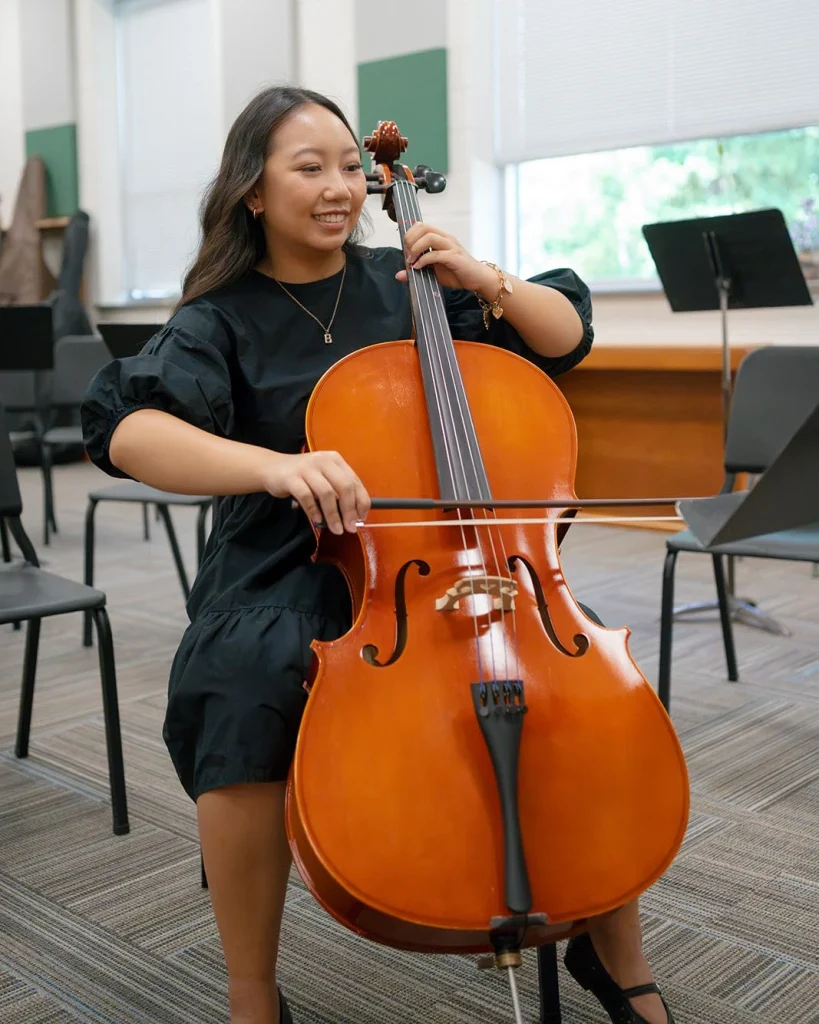
A student plays the cello, using the bow and fingerboard.

Start with an interest you want to pursue. If you enjoy making things, consider joining a robotics club or theater design crew. If you like explaining ideas, tutoring or debate may interest you. There are several ways to engage with the same interest.

Your school’s club list or activity fair is a useful starting point. For community options, look at libraries, recreation programs and established local organizations.

Before committing, check the meeting or practice schedule, costs and any tryout or application requirement. Include the activity’s travel and preparation time when deciding whether it fits around school, work and responsibilities at home. If cost or equipment would prevent you from joining, the activity adviser may know about fee assistance or supplies you can borrow.

Choose a commitment you can participate in regularly. Trying a new activity is useful, but joining many groups can leave little time to learn or contribute. If service interests you, joining an existing organization gives you a place to learn what people need before proposing a project of your own.

Develop leadership and make a contribution

Your first months, or even your first year in an activity, may be spent learning how it works. Participate, practice the skills and notice what the group needs. As you gain experience, look for a responsibility you can take on.

Leadership means helping people accomplish something. You might run for an officer position, lead a project or teach newer members.

A student and an adult pack donations together.

For example, you could help a club retain new members by organizing beginner practice sessions, make a performance possible by coordinating its crew, or improve a service project by fixing a recurring supply problem. Choose a need the group recognizes, agree on a manageable job and follow through.

Imagine Pao joins a theater crew and spends his first production learning to build sets safely. He notices that new members often wait for someone to explain basic tasks. For the next production, he works with the crew leader to organize a beginner session and helps teach it. His contribution is both the session he helped create and the new members who can now take part in the work.

That is what impact means. Something is better because of your contribution. It might be a stronger team, a useful event or a person who learned a skill. Specific contributions help colleges understand your involvement more clearly than a list of memberships.

If other schools have a club you would like to join but yours does not, consider starting one. Gather a few interested students, decide what you would do together and check your school’s process for starting a club.

Explore competitions and awards

Competitions can give you a goal to work toward and a chance to demonstrate achievement beyond your classroom. Awards recognize a result or accomplishment; entering a competition and winning an award are different things.

Look for groups connected to subjects you enjoy.

  • Science Olympiad combines science and engineering events in team competition.
  • DECA offers business-related events, including marketing, finance and entrepreneurship.
  • Future Business Leaders of America (FBLA) offers business and career competitions alongside leadership activities.
  • HOSA–Future Health Professionals offers health-related learning and competitive events.
  • Mock trial gives students practice preparing and presenting a simulated legal case. The National High School Mock Trial Championship connects to state programs.
A student receives a certificate on a stage.

Your school’s activity emails or bulletin board may also list writing contests, art exhibitions, music auditions or science fairs. For a competition that interests you, read the event description and judging criteria before deciding whether you want to prepare for it. A school team can provide a regular place to practice. Academic honors can also come from school, such as a subject award or honor roll.

Choose useful summer experiences

Summer gives you time to try something new or spend more time on an interest. Common options include the following.

  • A summer job gives you regular responsibilities and income. Working in a store, recreation program or family business can involve helping customers, solving problems and working with others.
  • Volunteering or community projects involve contributing time to work an organization needs, such as tutoring younger students, helping at a food pantry or organizing a community event.
  • Internships and job shadowing help you explore a career. An internship involves supervised work; job shadowing means observing someone’s workday. Look for opportunities open to high-school students and check whether an internship is paid.
  • Academic courses and summer programs let you study a subject through classes, labs or projects. Options include local courses, online classes and campus programs. Compare the subjects, daily activities and financial aid available.
  • Sports, arts and skill development can include team training, rehearsals, lessons or a camp. Choose a skill you want to improve and an opportunity to practice it with feedback.
  • Independent projects let you develop an idea over several weeks. You might build a website, write a short story collection, investigate a science question or complete a photography series. Set a specific goal so you can see your progress.
A student speaks with an adult on a campus visit.

When comparing programs, be cautious about the following.

  • Promises of college admission. Avoid paying for a guaranteed acceptance or a claimed admissions shortcut.
  • A name without a clear learning experience. If the description emphasizes a famous campus or certificate but says little about teaching and activities, find out what is actually included before paying.
  • Costs that strain your budget. Add tuition, travel, housing and supplies, then subtract any confirmed aid. Compare the result with local or lower-cost options.

Choose an option that fits around your responsibilities at home and leaves time for rest. If a program requires an application, check its deadline during the school year.

Keep an accurate record

Common App asks for the hours per week and weeks per year spent on each activity. Keeping notes now is easier than reconstructing several years in Grade 12. A notebook or ordinary document is enough.

For each experience, record a few details.

  • The activity, organization or project, and when you participated.
  • Your usual hours during the season or period involved, plus the number of weeks.
  • What you did and any increase in responsibility.
  • A concrete contribution or result, with team achievements identified as shared.
  • Any award’s exact name, year and level, such as school, regional, state or national.

Update the record after a season, major project or award. If your hours vary, note the busy and quiet periods so you can make an honest estimate later. Save an award notice or a finished piece of work when useful. The record should describe your actual experience, including meaningful work even if it never received a title or prize.